 Reviews


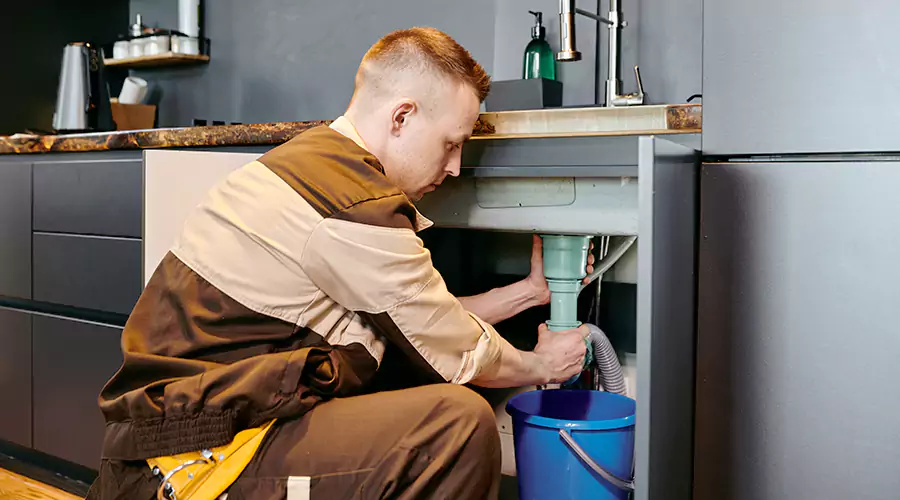
Most plumbing disasters do not happen out of nowhere. Pipes, drains, water heaters, and fixtures usually show early warnings before a burst pipe, a flooded room, or a sewage backup. Spotting those signals early can prevent expensive damage.
Here are the warning signs homeowners miss most often, plus a few fast checks you can do right away.
1) Recurring clogs in more than one fixture
A one-time clog happens. The concern is when clogs return, or when several fixtures slow down in the same week. This can point to main line buildup, a partial obstruction, or older pipe interiors that trap debris, signaling the need for professional Clogged Drain Repair to restore full flow and prevent further damage.
Do now: Skip chemical drain cleaners and note which fixtures clog and how often.
2) Gurgling drains or bubbling toilets
Gurgling usually means trapped air. It often comes from partial blockages or venting restrictions. If a sink gurgles after a toilet flush, or a toilet bubbles when a shower runs, treat it as a system issue.
3) Sewage smells that keep returning
A brief odor can come from a dry trap in a rarely used sink. Persistent sewage odor can signal venting problems, loose drain connections, or drain line issues.
Quick step: Run water for 20 seconds in rarely used fixtures. If the smell returns soon, schedule service.
4) Water stains, peeling paint, or warped flooring
Stains on ceilings, bubbling paint, soft flooring, and lifting baseboards can indicate hidden leaks behind walls or under baths. Leaks often start small, then spread as materials stay wet.
Do now: Take photos and date them. If stains grow, moisture is active.
5) Sudden low water pressure across the home
If only one faucet is weak, clean the aerator. If pressure drops across multiple fixtures, it can indicate a supply leak, corrosion, mineral buildup, or a failing pressure valve.
Quick check: Test several fixtures on hot and cold. If all are affected, call for a pressure test.
6) Toilets that run or refill on their own
Running toilets waste water quietly. Worn flappers, fill valves, or flush valve seats are common causes, and high pressure can worsen them.
Fast test: Add food coloring to the tank, wait 10 to 15 minutes, then check the bowl. Color in the bowl means a leak.
7) Water heater warning signs
Rust colored hot water, popping noises, inconsistent temperature, or moisture around the base are red flags. A dripping temperature and pressure relief line is also a warning sign and should be addressed quickly.
Important: Water at the base often means tank failure.
8) Banging pipes or water hammer
A bang when shutting off a faucet can mean water hammer. The shock stresses joints, valves, and supply lines over time. High pressure and loose pipe supports are common triggers.
9) Musty smells or dampness in one repeated spot
A musty cabinet or recurring damp drywall often means ongoing moisture. It may be a slow leak, failed caulk, or a drain connection that seeps during use.
Quick check: Wipe under sinks with a dry paper towel and check the toilet base for moisture.
10) Your water meter moves when everything is off
This is one of the strongest signs of hidden water loss.
Water meter test:
- Turn off all water use, including irrigation and ice makers.
- Take a photo of the meter.
- Wait 30 to 60 minutes.
- Recheck. If it changed, water is flowing somewhere.
Common Mistakes That Make Plumbing Failures Worse
When you notice a warning sign, avoid these moves:
- Pouring chemical drain cleaner into slow drains, it can damage pipes and complicate repairs.
- Overtightening fittings, it can crack plastic parts and strip threads.
- Ignoring repeated symptoms because they go away for a day or two.
- Delaying water heater leaks, small leaks often become sudden failures.
What to Do When You Notice a Warning Sign?
- Document what you see, where it happens, and when it started.
- If active leaking is spreading, shut off the main water valve.
- If multiple fixtures are affected, or you notice sewage smells, meter movement, or water heater leaks, schedule a professional inspection.
When to Call a Licensed Plumber?
Safety box: Call a licensed plumber immediately if you smell gas, see sewage backup, find growing water stains, notice meter movement when all water is off, or have multiple fixtures backing up. These problems can involve hidden leaks, main line issues, or safety hazards.
Call to Action
If you notice any warning sign above, do not wait for a full failure. A licensed plumber can diagnose the cause and fix it before it becomes an emergency. Schedule an inspection and protect your home.
Frequently Asked Questions
How do I know if the clog is in the main sewer line?
If multiple fixtures drain slowly, or the lowest drain in the home backs up first, the main line is a likely cause.
Can high water pressure cause leaks?
Yes. High pressure stresses hoses, valves, and fixtures and increases the risk of failures.
Is a small leak really urgent?
Small leaks can cause large hidden damage. If you cannot find the source quickly, treat it as urgent.
What is the fastest thing I can check at home?
Start with the water meter test and the toilet dye test. They catch common sources of water loss.
How often should I schedule professional plumbing maintenance?
Most homes benefit from an annual inspection. Older homes and hard water areas may need more frequent checks.